
Communicative English: Learning English Through Interaction and Play
The “Communicative English” project—carried out at the Primary and Community Care Psychology Service of ASST Brianza, at its Besana Brianza location, thanks to a collaboration with Amici di Lollo and contribution from the Fondazione Donald De Sanctis —is a communicative English program designed for children with Specific Learning Disorders (SLD) and Special Educational Needs (SEN).
This program, designed to strengthen—in addition to language skills—self-confidence, independence, interpersonal skills, and belief in one’s own abilities, involved a total of 20 children, offering a space in which they could experiment with the English language without the pressure of grades or academic evaluation.
A project built around the children’s needs
The program, which combines clinical, educational, and social expertise, brought together professionals from the Primary Care and Community Psychology service along with native English-speaking teacher William Dunkerley to focus on the participants’ individual profiles, their challenges, and the resources to be nurtured.
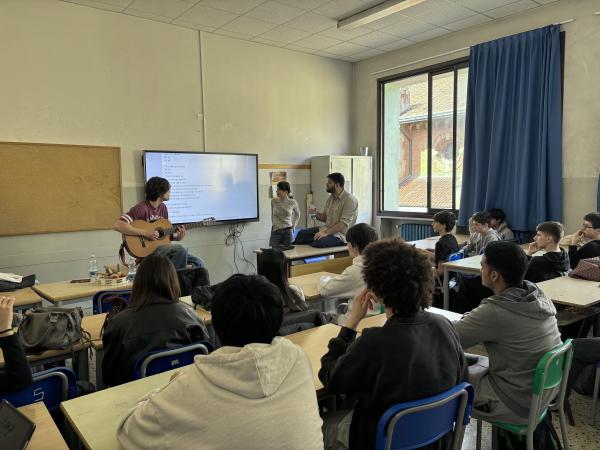
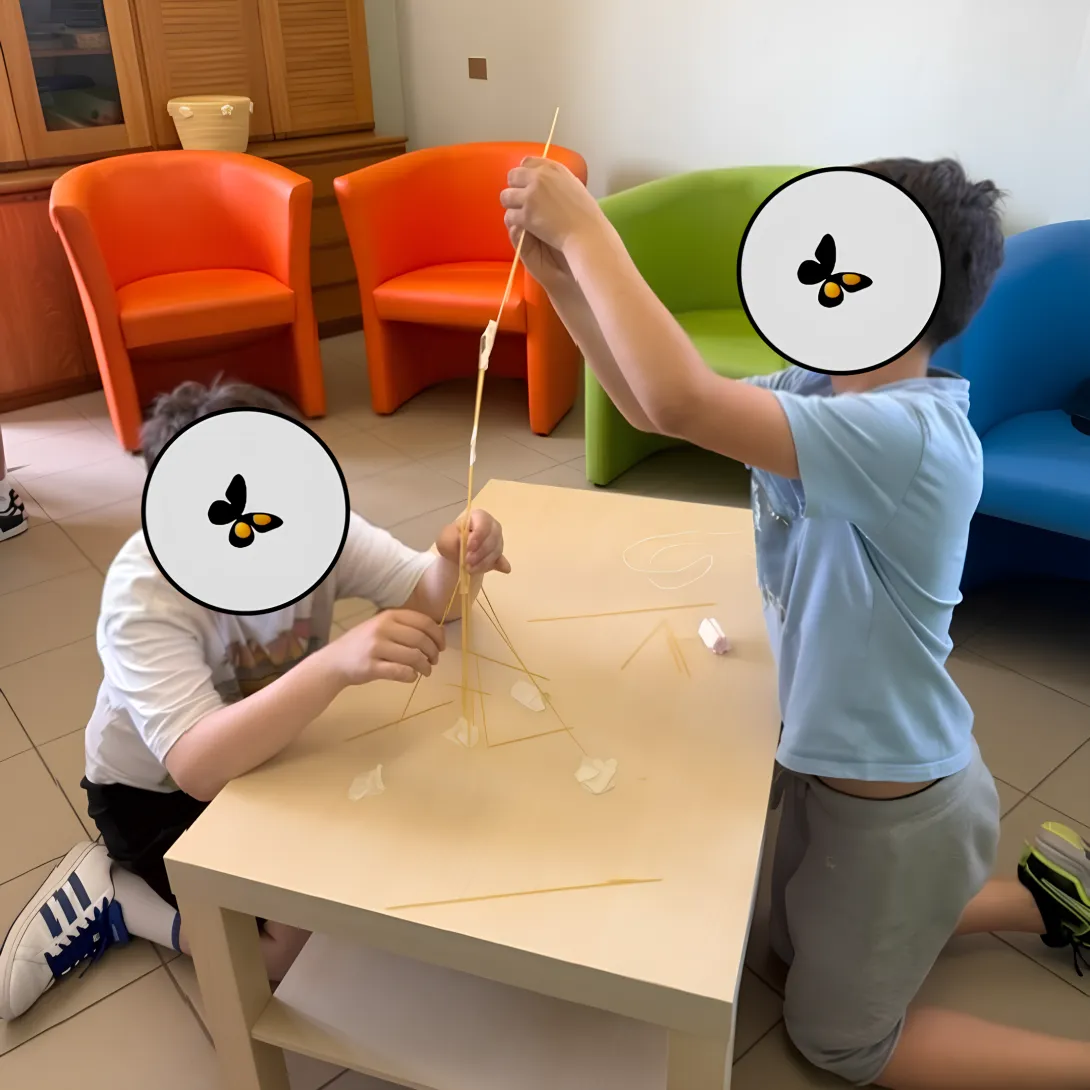
For this reason, the activities were designed on an individualized basis, incorporating hands-on experiences, games, movement, sensory activities, and collaborative exercises.
20 children, three groups, and 15 sessions
The program involved 20 children, all of whom were receiving support from the service for Specific Learning Disabilities (SLD) or Special Educational Needs (SEN).
The participants were divided into three groups, with sessions lasting 75 minutes and a total of 15 sessions for each group, for a total of 18.5 hours of the Communicative English Course.
The project also included opportunities for discussion with families, as well as midterm and final assessments conducted by the professionals involved to monitor the program’s progress, the participants’ responses, group dynamics, and areas for improvement in future activities.
Learning English Without the Fear of Making Mistakes
One of the central elements of the project was overcoming the fear of speaking up: for many children with learning difficulties, the English language can be associated with experiences of struggle and insecurity, partly due to the fear of being evaluated.
The lessons focused on using the language in concrete and engaging situations, helping to reduce inhibition and avoidance and encouraging increasingly spontaneous participation.
The children in the three groups showed particularly positive participation and gradually overcame the difficulties linked to shame and the fear of expressing themselves in English.
English and Interpersonal Skills
In addition to the linguistic component, the activities also engaged the students’ attention, memory, concentration, planning skills, cognitive flexibility, and ability to work in groups.
The team building exercises, communication activities, and creative projects also fostered the development of interpersonal skills and a greater willingness to collaborate with others.
As teacher William Dunkerley emphasized in his final assessment of the program, the main goal was to give the students a real “confidence boost”: an experience that would help them feel more comfortable using English in their daily lives, both at school and online.
Feedback from Families
At the end of the project, parents expressed strong appreciation for the experience: their messages highlighted improvements in their children’s self-confidence, self-esteem, and approach to the English language, along with satisfaction with the positive atmosphere created during the sessions.
Parents also emphasized the human and relational aspects: feeling welcomed, valued, and empowered to participate without fear of making mistakes.
The Power of Collaboration Between the Local Community and the Third Sector
The Communicative English project also serves as a concrete example of collaboration between the public sector and the third sector.
On one hand, there is the clinical and professional expertise of ASST Brianza, through its Primary Care and Community Psychology Service; on the other, there is Amici di Lollo, which supported the initiative, and the Fondazione Donald De Sanctis, who contributed to the project through their participation: this collaboration has made it possible to transform a need identified in the community into a concrete opportunity for families.
An Experience Worth Continuing
The program concluded with a great deal of positive feedback and with the hope—expressed by professionals and families alike—that initiatives of this kind can be repeated and further developed over time.
The experience has shown that creating a welcoming, stimulating, and non-judgmental environment can help children with learning disabilities and special educational needs to develop new skills and, above all, to discover that they are capable of tackling challenges that may initially seem difficult.
For Amici di Lollo, supporting projects like Communicative English means investing in the well-being and opportunities of young people, working together with local institutions and organizations to build programs that make a lasting impact.
We would therefore like to thank everyone who contributed to the project: the professionals at ASST Brianza, teacher William Dunkerley, the families, the participants, and the Fondazione Donald De Sanctis, whose support helped make this important experience possible.